Plumbing Tips
Utilities Inquiry & Online Bill Payment
To login and view your account or to pay your bill, please click the link below.
Sewer Advisement
-
Water
-
Human body waste
-
Toilet Paper
Do not use your toilet as a trash can
Flushing foreign materials puts yourself, your neighbors, and your community at risk for costly sewer line repairs and reduces the service life of the main lines and pumping equipment, and increases the cost of maintaining the District’s sewer system. Any item that is flushed down the toilet, or poured down a sink or drain, has the potential to accumulate in the District’s sewer main causing a hefty backup. Or, objects may become lodged in the rotating impellers in the pumps used to move our wastewater to The Metro Water Recovery Treatment Plant. A sanitary sewer system overflow is as bad as it sounds. Tree roots are the leading causes of preventable backups, but everyday items will also cause problems within the system.
Items that are not flushable
Large quantities of toilet paper, Kleenex, cotton balls, Q-tips, paper towels, napkins , feminine napkins, tampons, or applicators, disposable diapers, socks, underwear, pantyhose, plastic bags, brushes, washcloths, bars of soap, cigarette butts, Band-Aids, hair, rags, rubber bands, mop heads, ‘disposable’ toilet scrubbers or cleaning sheets, string, nails, coins, scouring pads, sponges, toys, wood shavings, wire, dirt, rocks, goldfish, gum…..
Do not place these items down your drains
The following items, which can contribute to a gradual loss of water flow leading to a backup should not be placed down a drain: Fruit and vegetable cores or peels, live seeds, raw beans, peas, rice, corn, oatmeal, cereals, coffee grounds, tea bags. barley, pasta, pet food, kitty litter, grease, fats, oils, peanut butter, sand, paint.
Flammable liquids, toxic chemicals, hypodermic needles, over-the-counter or prescription medicine, or other products which may endanger public health or sewer workers. The Willowbrook Board of Directors appreciates your efforts in helping the District maintain a safe and efficient sewer system. Your awareness helps to keep operating costs down, as well as protecting your property and your community from costly sewer repairs.
Testing a Toilet for Leaks
Testing Your Sprinkler System
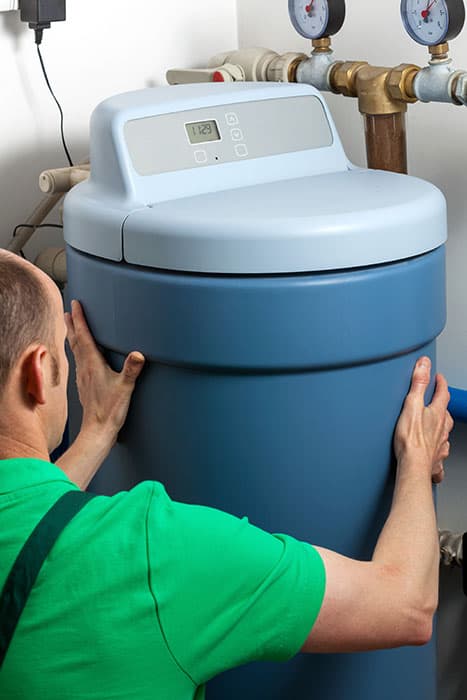
Water Softeners – Do You Need One?
Hardness in water is usually observed by its ability to form scale and make suds with soaps and detergents. If your water leaves deposits in sinks and tubs, then it is moderately hard to hard. If you get lots of suds with soap, then the water is soft. Water hardness varies across the country and around the world.
- Water hardness in the Willowbrook Water and Sanitation District is approximately 5-7 grains. “Hardness” is expressed as grains per gallon and is equivalent to the amount of calcium carbonate in water. Soft or slightly hard water has up to 3 1/2 grains, and very hard water has 10 1/2 grains or more calcium carbonate per gallon of water.
- Soft water is more corrosive. If the fixtures and pipes in your home contain lead, a water softener may dissolve higher levels of lead.
- A water softener is not needed to remove “pollution”. The District’s water is purchased from Denver Water, and all safety standards set forth by the Colorado Department of Public Health and Environment and the Environmental Protection Agency are met.
- Some individuals prefer softened water for bathing and washing clothes. However, consult your physician before acting upon any sales claim that drinking softened water is “recommended”.